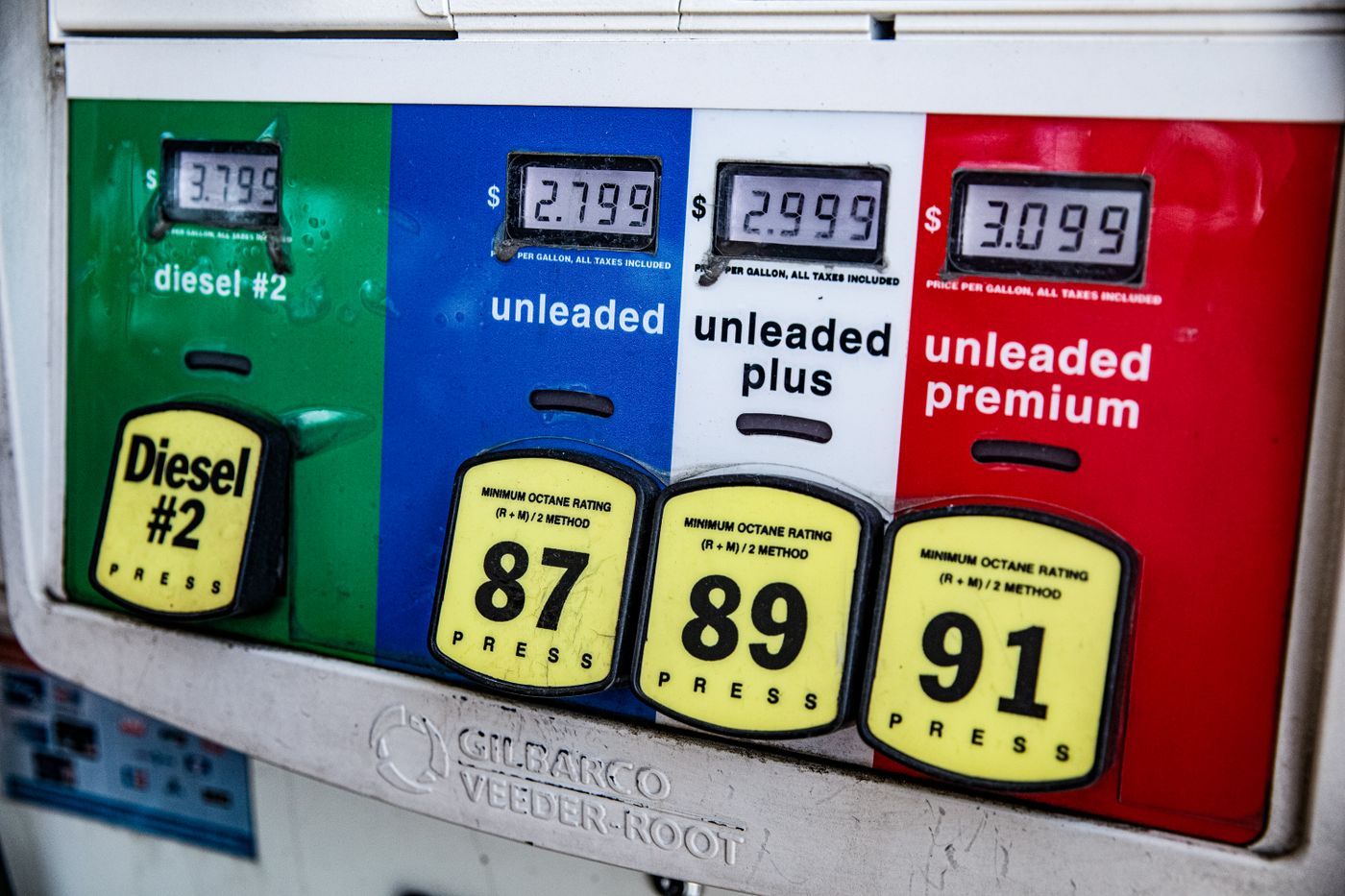
South Africa's National Treasury confirmed in early April that the temporary fuel levy reduction introduced in 2024 will expire on 5 May 2026. Combined with international price pressure and the closure of refining capacity at Sapref, the result is an estimated R11.50 per litre increase in the diesel price effective May.1 For the safari and tour operator economy of Southern Africa, this is not a fuel decision. It is a structural repricing of the product, occurring inside the high season window when contracts cannot be reopened.
The Southern African Tourism Services Association estimates that approximately 54 percent of regional safari operators have signed fixed-rate USD contracts with international tour operators for the 2026 high season.2 Those contracts were priced on diesel at the post-2024 levy level. The May increase compresses operator margins immediately. For the smaller operators that account for a meaningful share of the conservancy-tourism employment base, margin compression of this magnitude crosses into operating losses.
Why this is a regional problem
Botswana, Zimbabwe, Namibia and Zambia source much of their fuel through South Africa. The May increase will pass through to retail diesel prices across the region within four to six weeks. Operators in those countries do not benefit from the more limited domestic fuel pricing instruments that the South African Treasury can adjust. The price shock that arrives in Johannesburg arrives in Maun, Kasane and Livingstone shortly after, with even less margin for absorption.
The fiscal decision was made on Treasury logic. The tourism consequences will be paid by operators who have no representation in the room where the decision was made.
What the operators can and cannot do
Three responses are theoretically available, two of which are practically constrained. Reopening the international tour operator contracts is foreclosed by contract terms; the financial penalty for default exceeds the margin compression in most cases. Passing the cost through to the visitor in non-contract bookings is possible but has reached the point where additional pass-through is being met with cancellation rather than acceptance — particularly in the mid-market segment that has been price-sensitive throughout the post-pandemic recovery.
The third response is operational: reducing operating costs through fewer game drives per stay, smaller vehicles, longer rotation cycles between visits to high-fuel-cost camps, and selective closure of marginal sites. Each is being adopted unevenly across the region. Each diminishes the product as the visitor experiences it. The structural risk is that the South African and broader Southern African safari product, which has been sold globally as a premium experiential offering, undergoes a quiet quality compression in 2026 that international markets recognise and price into 2027 booking decisions.
What the fiscal authority did not consider
Treasury decisions are made on fiscal logic. The fuel levy was a budgetary instrument; its expiration was a budgetary decision. The Department of Tourism was not a meaningful participant in the decision because the fiscal authorities do not, on present institutional architecture, consult the tourism authority on fuel policy. The tourism economy is treated as an output of the fiscal regime rather than an input to it.
This is the structural feature of African tourism policy that the Sovereign Tourism Architecture framework identifies most directly. Tourism receipts are large enough to matter to national accounts ($169 billion in continental contribution to GDP). Tourism is small enough as a Treasury constituency that its operating economics are not consulted when fiscal decisions are made. The asymmetry is institutional, not technical, and it produces precisely the kind of unintended structural shock that the May 2026 diesel increase represents.
Three architectural responses
First, formal inter-ministerial consultation between Treasury and Tourism on any fiscal instrument with a >0.5 percent impact on tourism operating costs. This is a procedural reform, not a substantive concession; it forces tourism into the fiscal conversation early enough to influence the timing of decisions whose magnitude the Treasury will ultimately set.
Second, a regional Southern African dialogue between SADC member tourism authorities on coordinated fuel-price absorption mechanisms during high seasons — analogous to coordinated agricultural subsidy mechanisms in other regions. The institutional capacity for this exists at SADC Secretariat level. The political mandate to use it has not been activated.
Third, a structural review by tourism authorities of the contract architecture between regional operators and international tour operators, with a view to introducing fuel-cost adjustment clauses that allow contractual repricing in defined extreme-cost scenarios. The international tour operator industry will resist this. The case for it strengthens with each fiscal shock that has no mitigation pathway under the existing contract architecture.
The 2026 high season will go ahead. The operators will absorb the diesel increase by means available to them. The product will be experienced by international visitors as a slightly diminished version of the product they paid for. The 2027 booking cycle will reflect that. The cost of the fiscal decision will appear in tourism receipts that will be lower than they would otherwise have been, in calendar year 2027, in figures that no Treasury report will attribute back to the May 2026 fuel decision. The architecture is the problem. The architecture is also the answer.